How Do You Choose the Right Chemical Peel for Your Skin Type?
Medically reviewed by Dr. Monika Kiripolsky9 min read
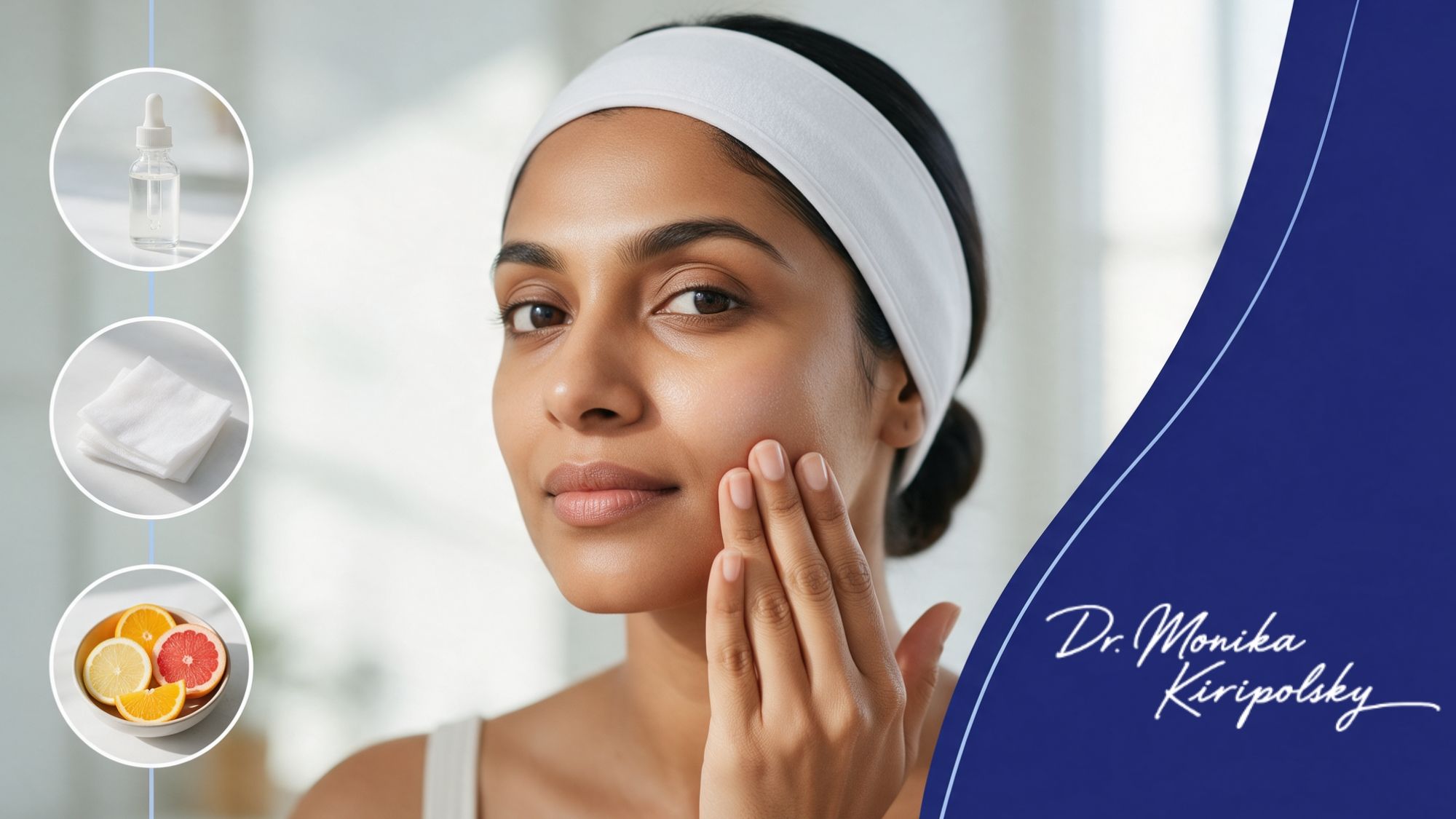
The right chemical peel depends on your skin type, your main concern, and how much downtime you can accept. Superficial peels suit surface concerns like dullness and mild sun spots with minimal downtime, while medium and deep peels treat deeper problems and need a longer recovery.
Dr. Monika Kiripolsky is a board-certified dermatologist and fellowship-trained cosmetic and laser surgeon who offers chemical peels in Newport Beach and Beverly Hills. This guide shows how peel depth, acid type, and skin type shape the right choice.
How Does a Chemical Peel Work?
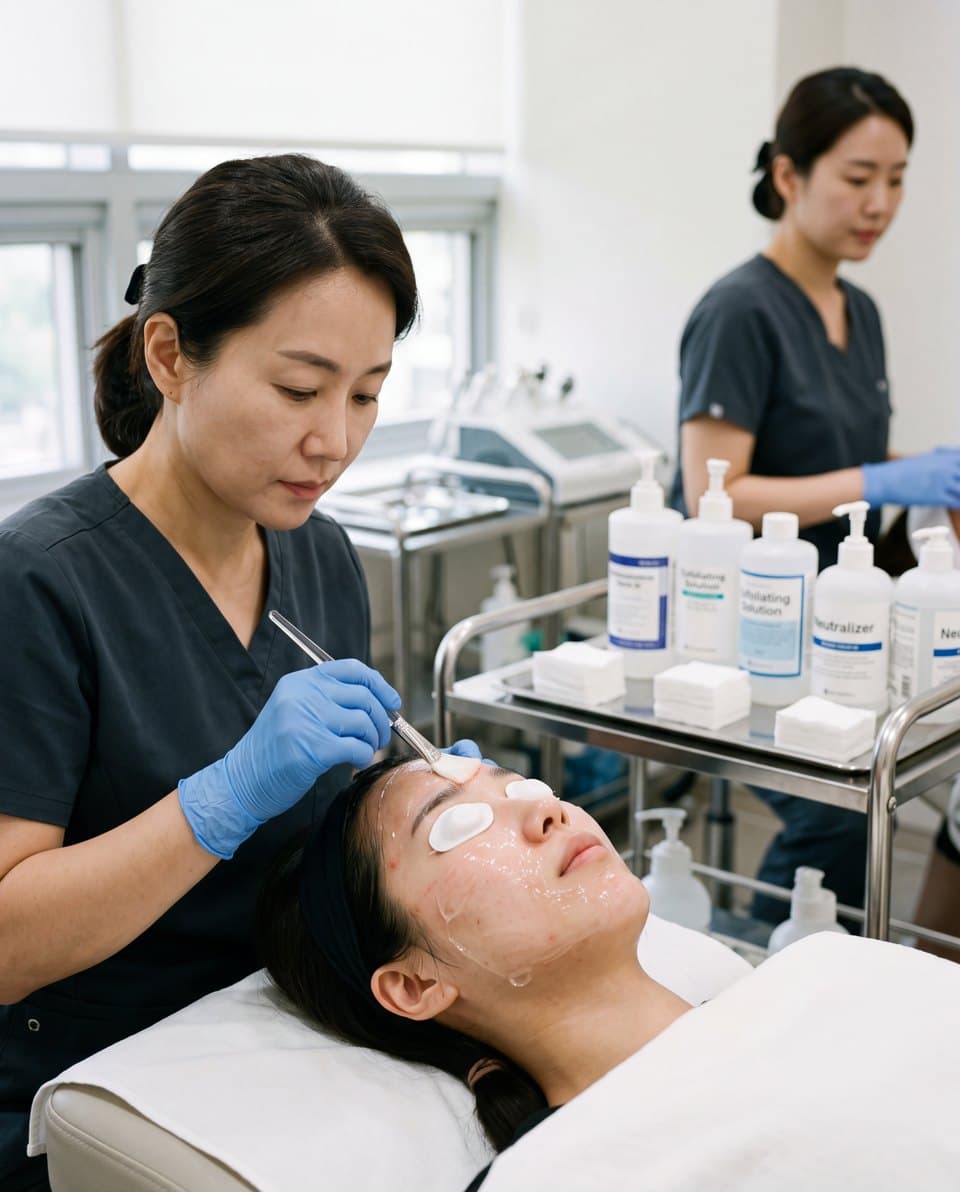
A chemical peel applies an acid to the skin, which loosens and removes damaged outer layers and signals the skin to renew. As treated skin sheds, newer, smoother skin takes its place, which improves texture, tone, fine lines, sun damage, and acne.
A review from Stanford physicians described peels as having excellent clinical success in improving tone and texture. Depth sets the effect, and three things determine it: the type of acid, its concentration, and the number of coats applied.
Peels cause a controlled injury that triggers repair, and new collagen forms in the layers beneath. Deeper peels reach deeper layers and produce stronger change with longer healing. Choosing the right depth is a medical decision, since too shallow brings little result and too deep raises risk.
Peels are measured by how deep the acid penetrates, from the outer layer to the middle layer of skin, and each depth heals differently. Your doctor chooses the acid, strength, and number of coats to reach the target depth.
Which Acids Are Used in Peels?
Peel acids include glycolic, salicylic, lactic, phenol, Jessner's solution, and trichloroacetic acid (TCA). Glycolic acid has a small molecule that penetrates easily and smooths texture. Salicylic acid dissolves in oil, so it travels into pores.
Lactic acid is gentler and more hydrating, while TCA reaches deeper and can produce a white frosting on the skin that marks its depth. Dr. Kiripolsky selects the combination for your skin and does not use one formula for everyone.
Glycolic acid comes from sugar cane and has small molecules that penetrate quickly. Salicylic acid dissolves in oil, which lets it clean out pores.
What Is a Superficial Peel?
A superficial peel works on the outermost layer. Dr. Kiripolsky offers the 3-Step Peel, usually a series of three to five treatments about a month apart, with minimal downtime. Superficial peels suit brighter, smoother skin, mild dullness, early sun damage, and light discoloration.
The Stanford review notes they are well suited to surface problems such as sun spots. They are also a comfortable first step if you have never had a peel.
Because the effect is gradual, you see progress across the series and not after one session. Fresh skin burns more easily, so sunscreen is essential.
Superficial peels usually use glycolic or salicylic acid and are often done as a series of four to six sessions spaced two to four weeks apart. Salicylic acid dissolves oil inside pores, which suits acne-prone skin.
Expect a mild tingling during the peel and a tight, slightly pink look afterward that fades in a day or two.
What Is a Medium Peel?
Medium peels reach deeper and typically use TCA. Dr. Kiripolsky offers a TCA peel sometimes called the blue peel for more pronounced sun damage, uneven pigmentation, and fine lines. For a stronger result, a medium peel can be paired with CO2 laser resurfacing. Recovery is longer than with a superficial peel, with visible peeling and redness for a number of days.
A TCA peel can cause visible frosting during treatment, a white film that shows how deeply the acid has worked. Skin then darkens and flakes over several days before fresh skin appears, and patients usually plan to stay home during the heaviest peeling.
What Is a Deep Peel?
Deep peels use phenol and treat specific areas with more significant damage. They involve a nerve block for comfort and a longer recovery, and they are used selectively. A blepharo peel treats the delicate skin of the eyelids. Dr. Kiripolsky decides whether a deep peel makes sense for you.
Deep peels are uncommon in modern practice because lasers and other tools can deliver strong results with more control.
Which Peel Fits Which Skin Type?
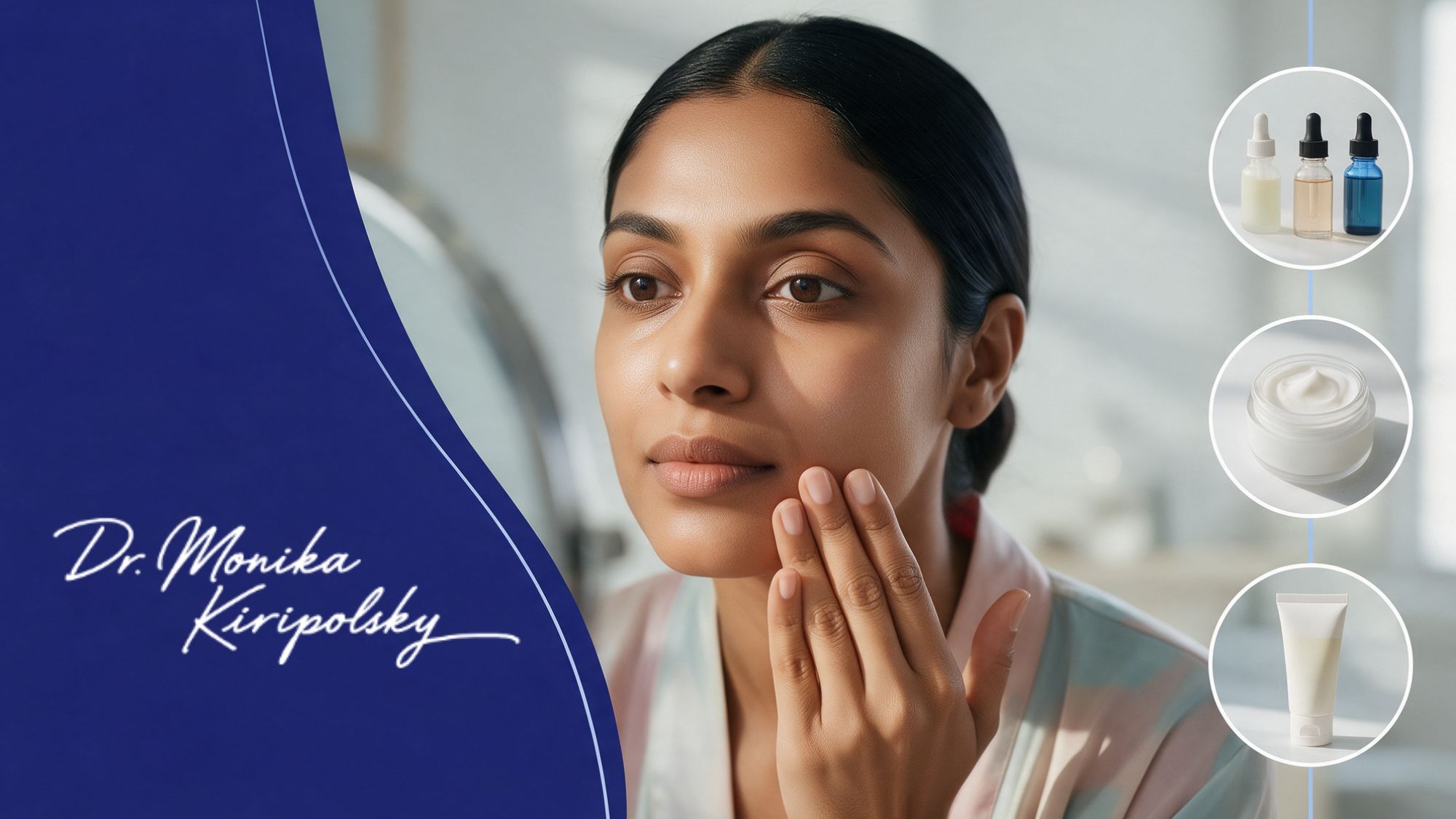
Skin type guides acid selection, and your doctor confirms it after examining you.
- Oily and acne-prone. Salicylic acid clears pores and calms breakouts.
- Dry or sensitive. Lactic acid tends to be gentler and more hydrating.
- Dull or uneven. Glycolic acid smooths texture and brightens tone.
- Sun-damaged. TCA and Jessner's solution address deeper damage.
- Pigmentation-prone. A gentle series works better than one aggressive peel.
Combination skin may need different acids on different zones, and rosacea-prone or very sensitive skin may need the gentlest option or none. Thin, dry skin tolerates lower strengths, while thick, oily skin often tolerates more. Your history of irritation guides the plan.
Acne-prone skin tends to do well with salicylic acid, dull or sun-damaged skin with glycolic acid, and deeper texture concerns with TCA. Dr. Kiripolsky matches the acid to your concern and not only to your skin type.
Oily skin often tolerates stronger acids than dry skin, but oil does not make skin immune to irritation. Reporting how your skin reacted to past products gives your doctor the best guide.
How Do Darker Skin Tones Fare With Peels?
Peels can work well on darker skin tones when chosen carefully, since the risk of dark marks after irritation is higher. Gentle formulas, gradual series, and strict sun protection lower that risk. Share your history of dark marks or scarring with Dr. Kiripolsky so she can select a safe strategy. For concerns such as melasma, peels are one part of a broader plan.
Preparing skin with a lightening regimen before a peel can reduce the chance of dark marks, and your doctor may avoid deeper peels in higher-risk skin. Lighter skin faces other risks, such as faster burning, so sun protection matters for everyone.
Superficial peels at conservative strengths, built up gradually over a series, are the usual starting point for darker skin. Neutralizing the acid on time is part of the protocol, since overexposure is what causes trouble.
Who Should Avoid or Wait on a Chemical Peel?
Ideal candidates are healthy non-smokers. Active infections or cold sores, open wounds, recent isotretinoin use, and recent sun exposure can all mean waiting. A history of keloid scarring calls for caution. Active acne is treated first, and you can read more on the practice's acne page. Dr. Kiripolsky reviews your history and medications first.
Active sunburn, open wounds, or a skin infection in the treatment area call for waiting until the skin is healthy. Isotretinoin, an acne medication, usually requires a waiting period before any peel, so share your full medication history.
Can Peels Be Combined With Other Treatments?
Yes. Dr. Kiripolsky may pair a peel with microneedling, laser, injectables, or prescription skincare. A peel can refine tone while microneedling improves texture, and the guide to how many microneedling sessions you need covers timing. The order and spacing matter, so she sequences them to protect your skin. See results in the chemical peel before-and-after gallery.
Peels pair well with a home regimen of sunscreen and gentle moisturizers, and your doctor may add a prescription cream between sessions. Introducing one change at a time makes it easier to tell what is helping.
How Do You Get Started?
Start with a consultation, where Dr. Kiripolsky examines your skin, discusses your goals, and recommends a peel depth and plan. Prepare by protecting your skin from sun and pausing retinoids and exfoliating acids when advised.
A consultation includes a skin exam and a review of your history, so the peel depth and schedule fit you.
Dr. Kiripolsky sees patients in Beverly Hills and Newport Beach, and you can book a consultation to find the peel that suits your skin.
Frequently Asked Questions
What is the best chemical peel for my skin type?
It depends on your skin and goals. Oily, acne-prone skin often does well with salicylic acid, dry or sensitive skin with lactic acid, and dull skin with glycolic acid. Dr. Kiripolsky chooses the formula after examining you. Matching the acid to your concern matters as much as skin type.
How many peels do I need?
A superficial series such as the 3-Step Peel is typically three to five treatments spaced about a month apart. Medium and deep peels are done less often because they go deeper and heal more slowly. Your doctor sets the schedule. Medium peels are typically done once, with repeats months apart.
How much downtime should I expect?
Superficial peels have minimal downtime, with mild flaking for a few days. Medium and deep peels cause more visible peeling and need a longer recovery. Dr. Kiripolsky explains what to expect for the depth you choose. Superficial peels have little downtime, while medium peels need several days of peeling.
What is a blue peel?
It is a medium-depth peel that uses TCA. It treats more pronounced sun damage, uneven pigmentation, and fine lines than a superficial peel. It can also be paired with CO2 laser for a stronger result. Blue peels are a branded medium-depth treatment and are not suited to everyone.
Can I get a chemical peel if I have darker skin?
Often yes, with careful selection. Gentle formulas, gradual series, and sun protection reduce the risk of dark marks. A conversation about your pigment history helps the doctor choose safely. Conservative strengths and a gradual series are the usual approach.
Will a chemical peel help acne?
Salicylic acid peels can clear pores and calm breakouts as part of a broader plan. They work alongside prescriptions and skincare. Your doctor tailors the combination to your acne. Salicylic acid is a common choice for clogged pores and surface breakouts.
What is a blepharo peel?
A blepharo peel is designed for the delicate skin of the eyelids. Because that skin is so thin, the choice of acid and the technique matter a great deal. A physician should perform it, and Dr. Kiripolsky can tell you whether it suits you. It is performed carefully because the eyelid skin is thin and delicate.
Who should avoid a chemical peel?
Smokers and people with active infections, open wounds, or recent isotretinoin use may need to wait or choose another option. Keloid history also calls for caution. Dr. Kiripolsky reviews your health and skin before recommending a peel. Recent isotretinoin use and active infection are common reasons to wait.
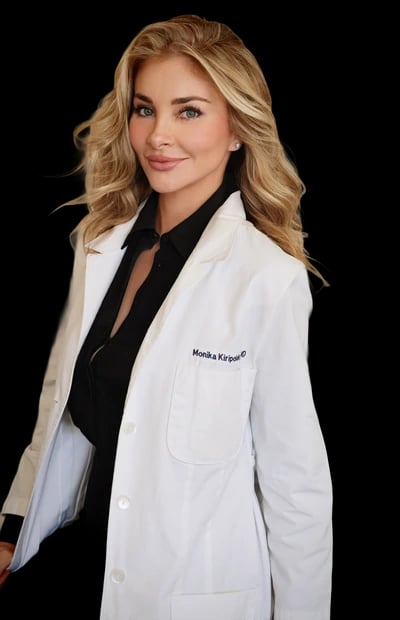
Monika Kiripolsky, MD, FAAD, FAACS
Board-certified dermatologist and fellowship-trained laser and cosmetic surgeon in Beverly Hills and Newport Beach. Every article is written or reviewed by Dr. Kiripolsky.
More from the blog
 Model*
How Many Microneedling Sessions Do You Actually Need?
How many microneedling sessions you need depends on your goal, your skin, and how deep the concern runs. Most patients benefit from a series of sessions spaced a few weeks apart, and acne scars usually call for more visits than general rejuvenation.
Aesthetics9 min read
 Model*
Achieving Clear Skin: Exploring the Best Treatments for Hyperpigmentation
Hyperpigmentation, characterized by patches of darker skin, can be a frustrating skin concern for many individuals. Whether caused by sun exposure, hormonal changes, or skin inflammation, hyperpigmentation can impact one’s confidence and self-esteem.
Aesthetics3 min read
 Model*
Goodbye to Dark Patches and Hello to Brighter Skin
Are you dealing with pesky patches of darker skin? Whether it’s due to too much sun, hormones going wild, or some skin inflammation, hyperpigmentation can seriously mess with your confidence.
Aesthetics3 min read