Acne
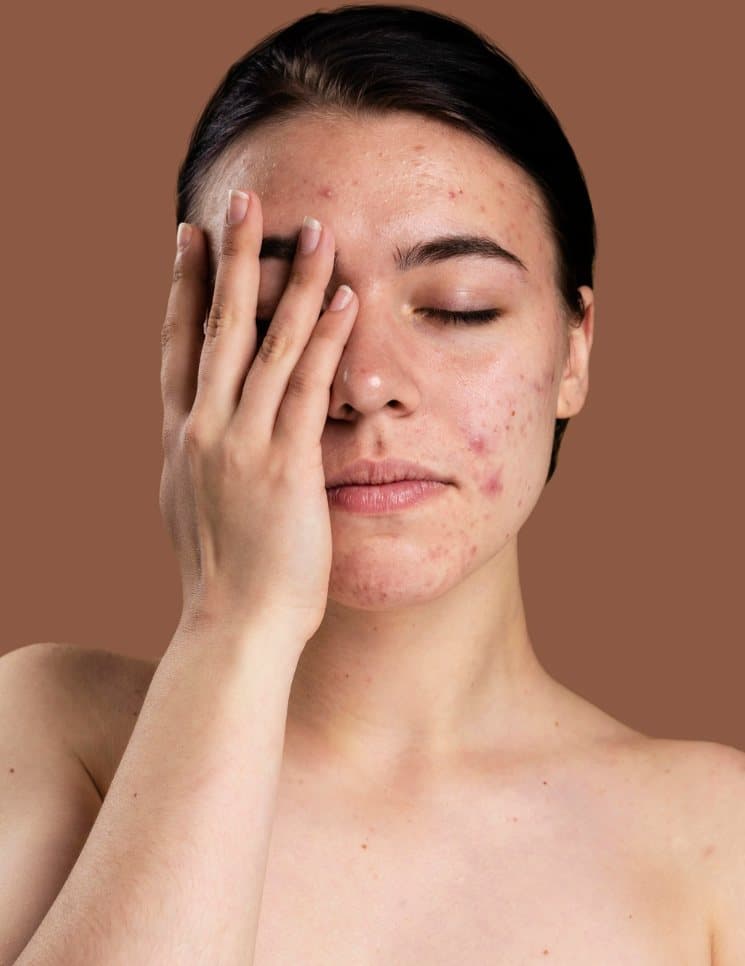 Model*
How we treat acne
We provide individualized, careful treatment of acne and acne scarring in teens and adults.
Today, there are many effective acne treatments. This does not mean that every acne treatment works for everyone who has acne. Visit our dermatology clinic in Beverly Hills to see how Dr. Kiripolsky can help you with acne treatments that work with your skin.
- Teen acne
- Adult acne
- Acne scarring
Top Dermatologist & Cosmetic Surgeon in Beverly Hills Conveniently located to serve Newport Beach and Los Angeles, CA
Treating Acne
Acne treatment · Beverly Hills & Newport Beach
Acne is the most common skin condition in the United States. Despite being so common, accurate information about acne can be hard to find. Dr. Kiripolsky’s goal is to help you understand why you have acne and to work with you to achieve clear, flawless skin.
Dr. Kiripolsky has found that her patients are much happier and more compliant once they fully understand what factors are contributing to their acne, as well as how many treatment options we have available and, how each treatment is working to clear the acne.
There are many common myths associated with acne. A major myth is that people should simply allow acne to “run its course”. This is terrible advice as, without treatment, dark marks and permanent scars can follow you throughout your lifetime. We have so many treatments available so no one needs to live with acne (or its associated marks/scarring).
Another myth is that acne is only seen in teenagers. This couldn’t be further from the truth.
To learn more about Acne or schedule a personal consultation, call our office at (424) 652-6563 or contact us online for more information.
Before & After Gallery
See the difference
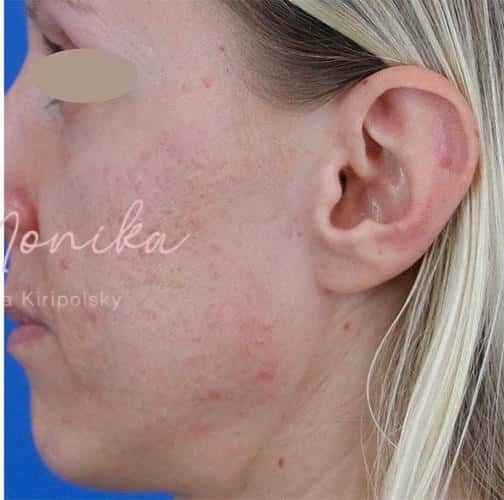
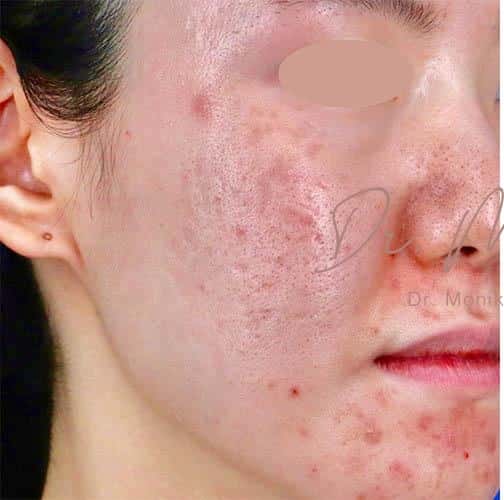
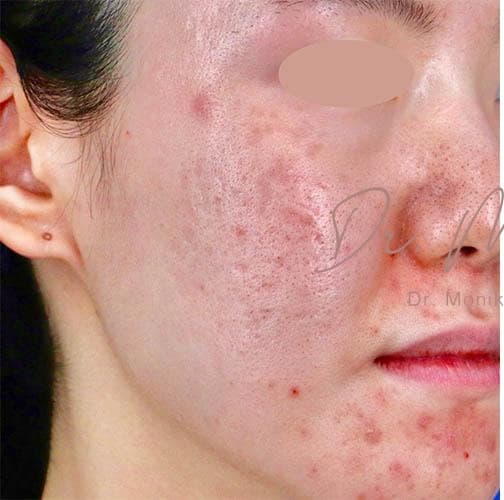
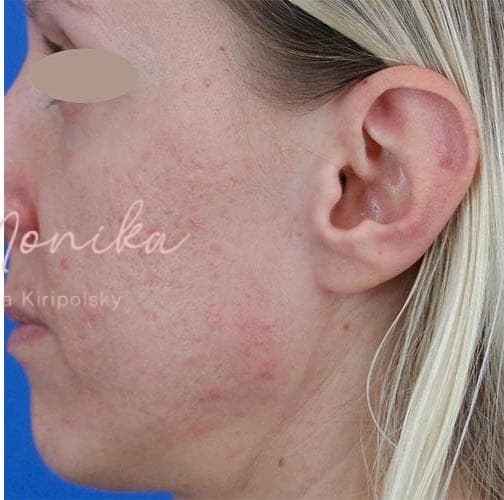 Before: Acne Scarring Before & After Patient #779
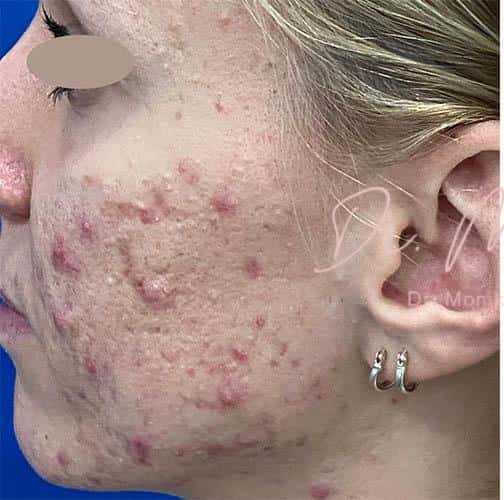
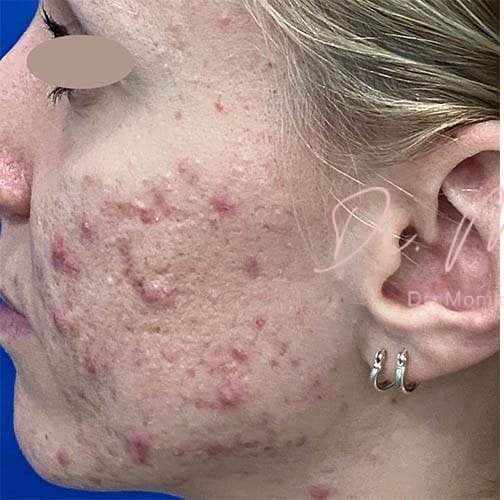
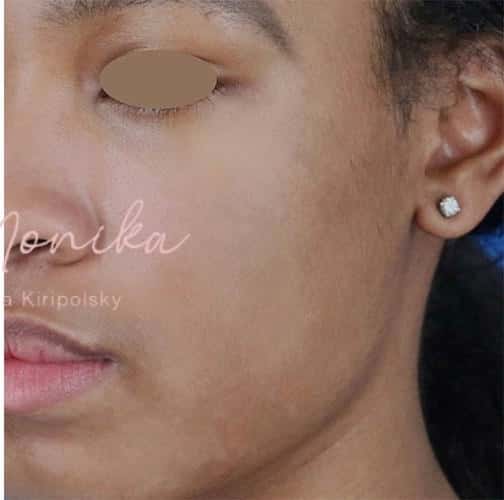
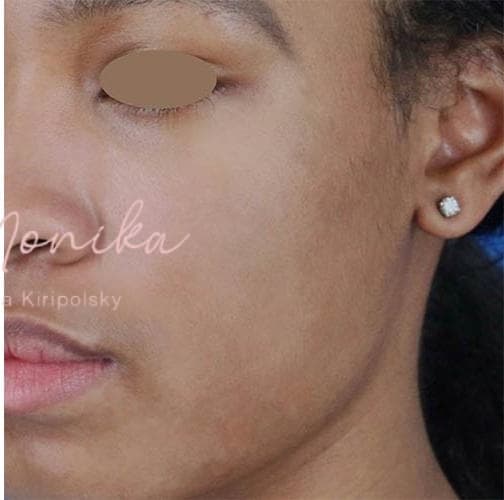 Before: Acne Scarring Before & After Patient #778
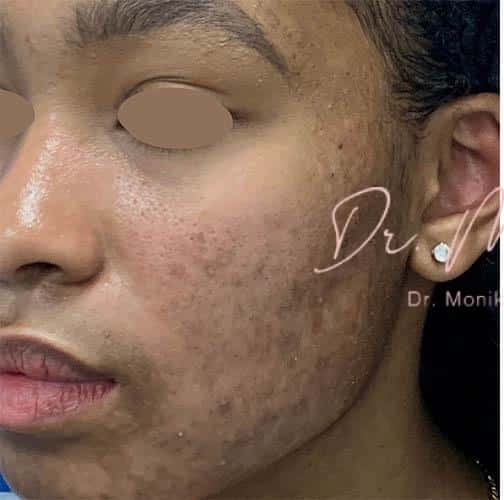
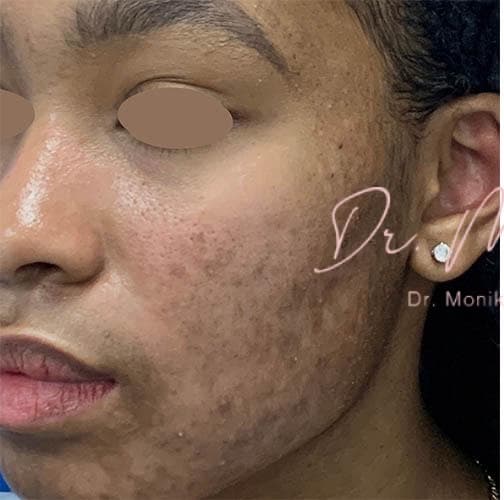
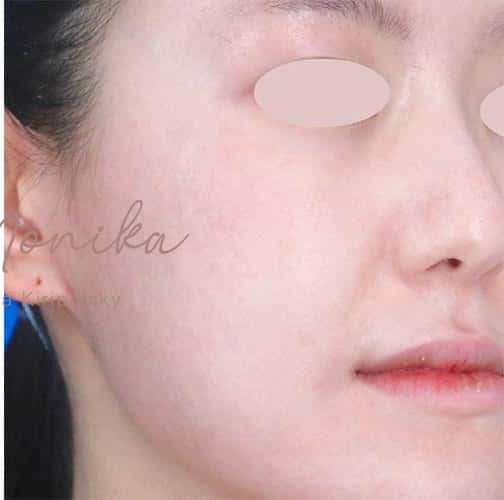
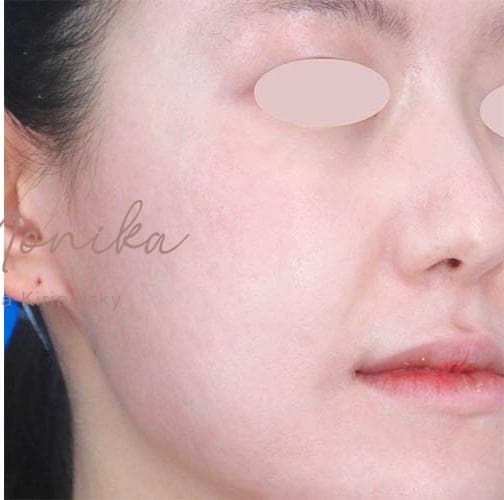 Before: Acne Scarring Before & After Patient #777
Acne Facts
Key facts about acne
Who Gets Acne?
If you have a bad case of acne, you may feel like you are the only one, but many people have the condition. It is the most common skin problem in the United States. About 40 to 50 million Americans have acne at any one time.
Most people who have acne are teenagers or young adults, but acne can occur at any age. Newborn babies can get acne. Men and women get acne, even into middle age.
More Women Getting Acne
Not just teens have acne. A growing number of women have it in their 30s, 40s, 50s, and beyond.
Dermatologists are not sure why this is happening. But they understand that adult acne can be particularly frustrating.
How do Dermatologists treat Acne?
To diagnose acne, a dermatologist will first examine your skin to make sure you have acne. Other skin conditions can look like acne.
Today, there are many effective acne treatments. This does not mean that every acne treatment works for everyone who has acne. But it does mean that virtually every case of acne can be controlled.
What Causes Acne?
Understanding the causes
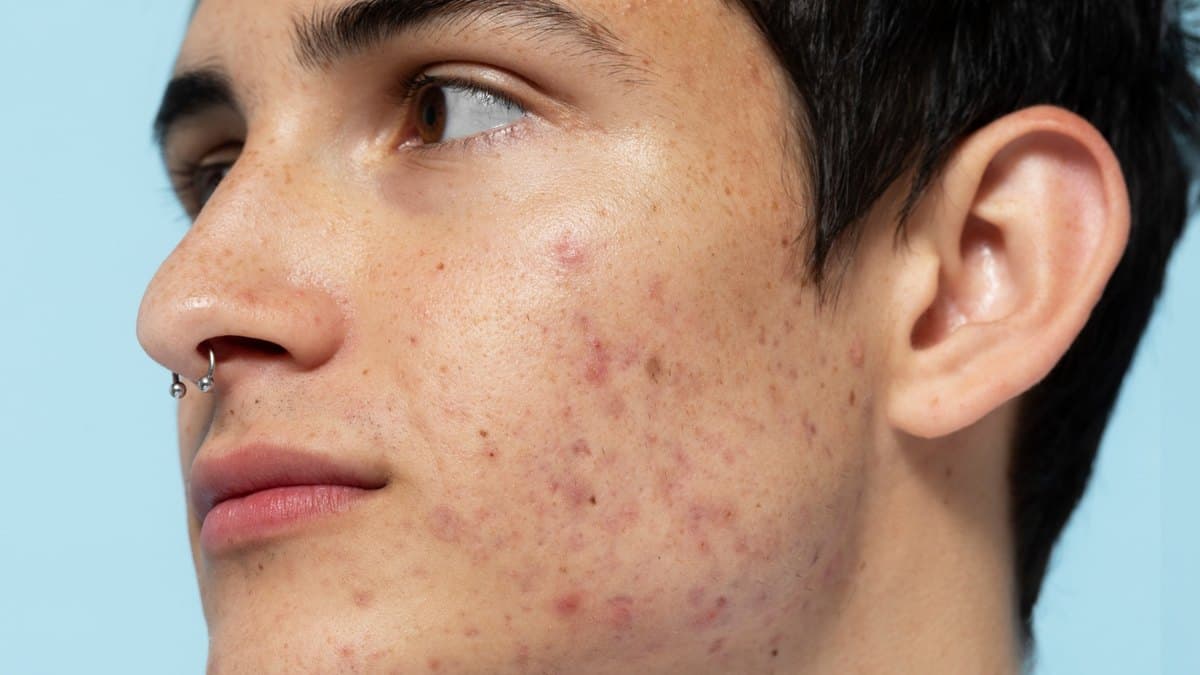
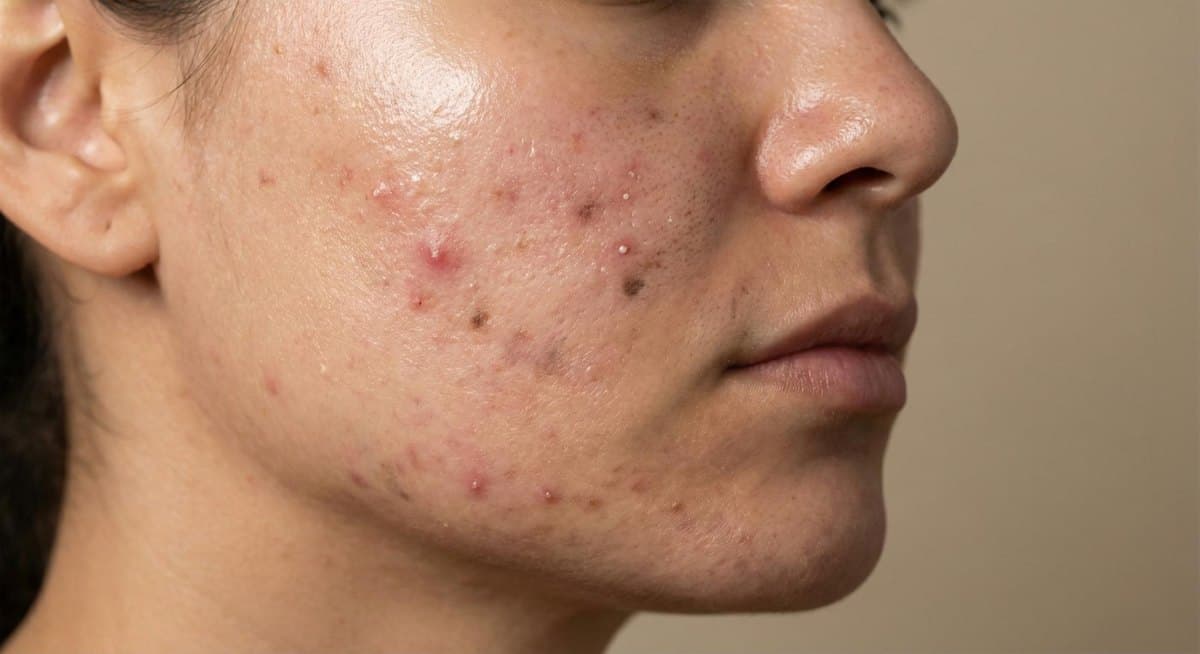
Acne appears when a pore in our skin clogs. This clog begins with dead skin cells. Normally, dead skin cells rise to the surface of the pore, and the body sheds the cells.
When the body starts to make lots of sebum (see-bum), the oil that keeps our skin from drying out, the dead skin cells can stick together inside the pore. Instead of rising to the surface, the cells become trapped inside the pore.
Sometimes bacteria that live on our skin, p. acnes, also get inside the clogged pore. Inside the pore, the bacteria have a perfect environment for multiplying very quickly. With loads of bacteria inside, the pore becomes inflamed (red and swollen). If the inflammation goes deep into the skin, an acne cyst or nodule appears.
How do Dermatologists Treat Acne?
Treatment approaches
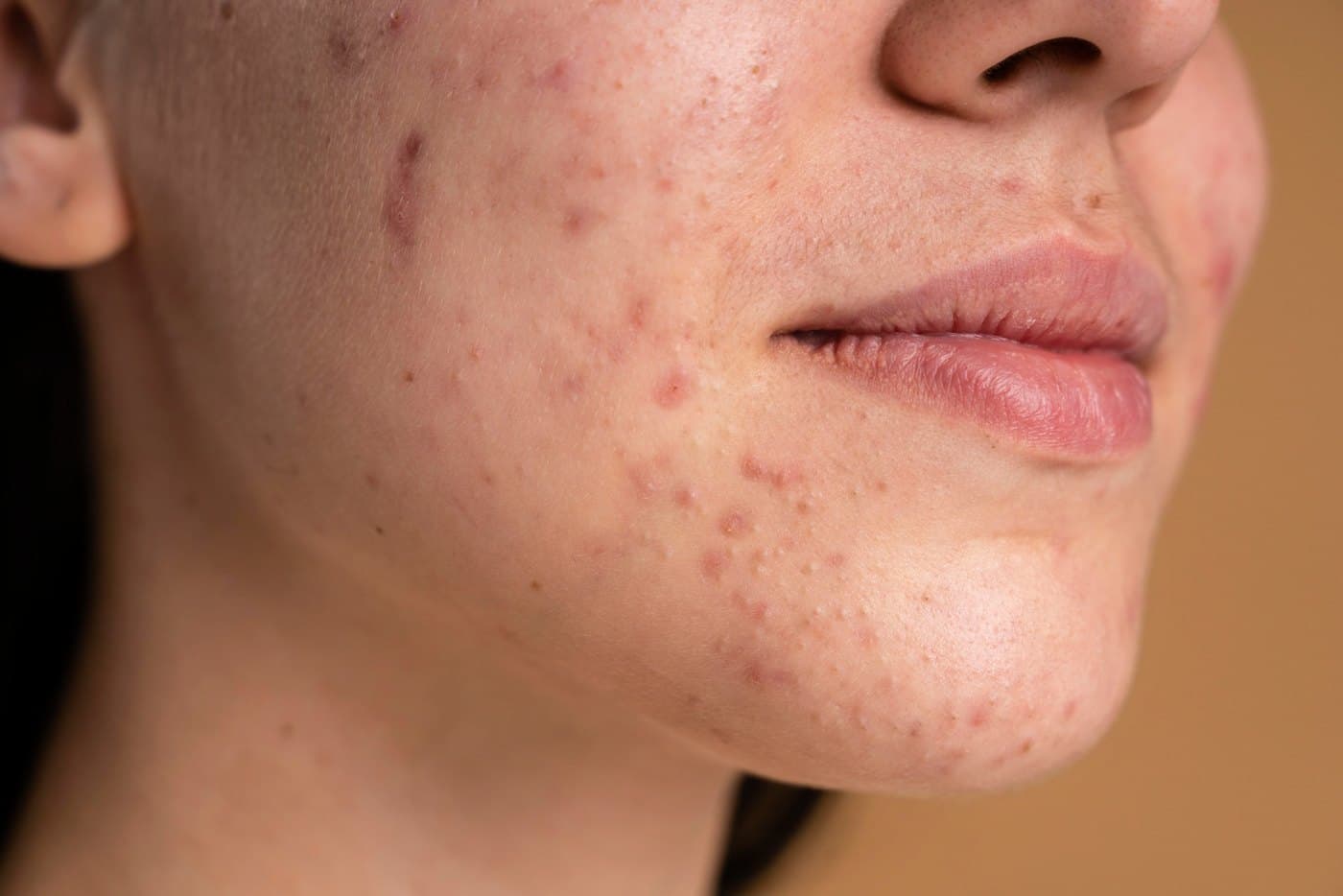
People who have mild acne have a few blemishes. They may have whiteheads, blackheads, papules, and/or pustules (aka pimples). Many people can treat mild acne with products that you can buy without a prescription. A product containing benzoyl peroxide or salicylic acid often clears the skin.
Despite the claims, acne treatment does not work overnight. At-home treatment requires 4-8 weeks to see improvement. Once acne clears, you must continue to treat the skin to prevent breakouts.
Treatments you Apply to the Skin
Most acne treatments are applied to the skin. Your dermatologist may call this topical treatment. There are many topical acne treatments. Some topicals help kill the bacteria. Others work on reducing the oil. The topical medicine may contain a retinoid, prescription-strength benzoyl peroxide, antibiotic, or even salicylic acid. Dr. Kiripolsky will work with you to determine what you need.
Treatment that Works Throughout the Body
Medicine that works throughout the body may be necessary when you have red, swollen types of acne. This type of treatment is usually necessary to treat acne cysts and nodules. Your dermatologist may prescribe one or more of these:
- Antibiotics (help to kill bacteria and reduce inflammation).
- Birth control pills and other medicine that works on hormones (can be helpful for women).
- Isotretinoin (the only treatment that works on all that causes acne).
Procedures that Treat Acne
In-office acne procedures
Dr. Kiripolsky may treat your acne with a procedure that can be performed during an office visit. These treatments include:
- Lasers and other light therapies: These devices reduce the P. acnes bacteria.
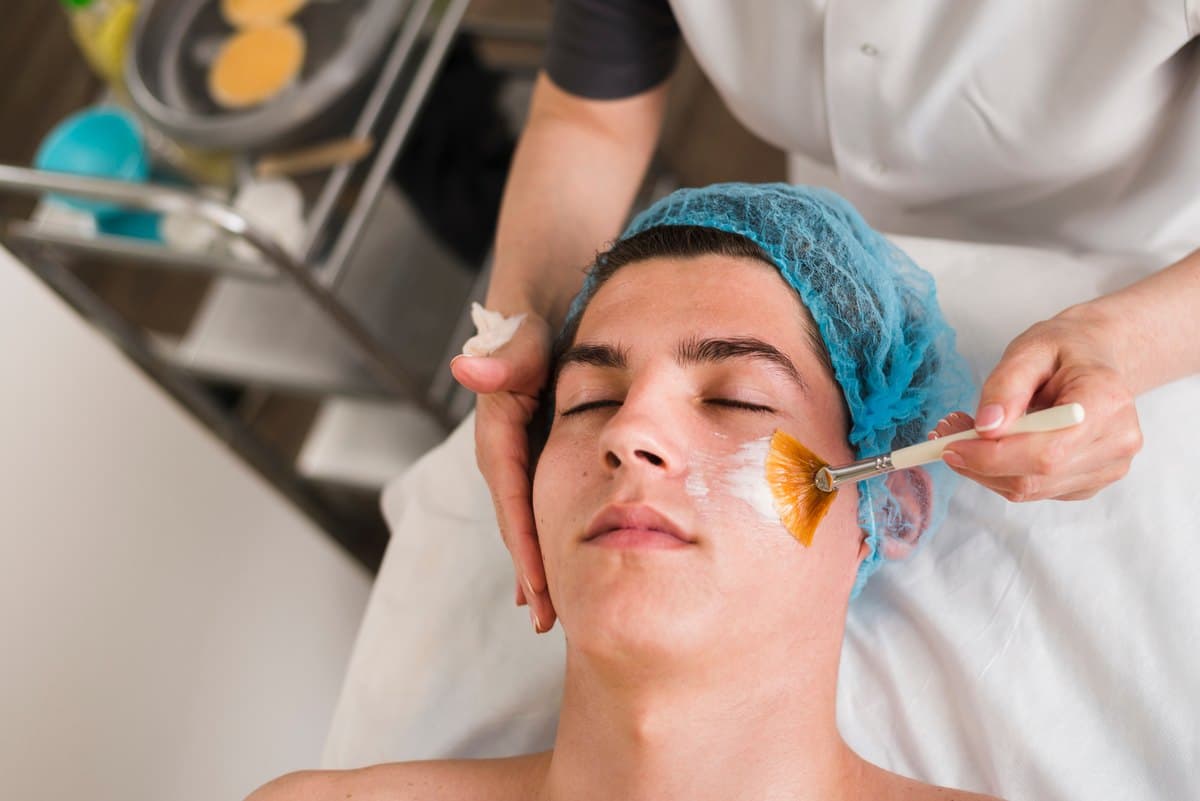
- Chemical peels: You cannot buy chemical peels that are the same strength as dermatologists can use. Chemical peels treat two types of acne — blackheads and papules. They also treat areas of hyperpigmentation where prior inflammatory acne once was.
- Acne removal: Dr. Kiripolsky may perform a procedure called “drainage and extraction” to remove a large acne cyst. This procedure helps when the cyst does not respond to medicine. It also helps ease the pain and the chance that the cyst will leave a scar. If you absolutely have to get rid of a cyst quickly, Dr. Kiripolsky may inject it with a steroid.
The Outcome
What results to expect
Waiting for acne to clear on its own can be frustrating. Without treatment, acne can cause permanent scars, low self-esteem, depression, and anxiety.
To avoid these possible outcomes, you should treat acne. When the skin clears, treatment should continue. Treatment prevents new breakouts. Once your skin is clear, Dr. Kiripolsky can tell you when you no longer need to treat acne and can convert to a regimen to simply prevent future breakouts.
Dr. Kiripolsky also has many methods to treat acne scarring once your acne is managed.
Dr. Kiripolsky will listen to your concerns regarding your skin – while considering your overall health and skin type – to recommend the best procedure, treatment, or combination of each to best suit your goals. When addressing your cosmetic concerns, it’s better to visit us in person at our Beverly Hills dermatology clinic. For any questions about dermatology procedures and appointments, contact us today!
Dr. Kiripolsky answers your questions on RealSelf (opens in a new tab).
Frequently Asked Questions
Common inquiries and answers
What causes acne?
Acne appears when a pore in our skin clogs, and this clog begins with dead skin cells. When the body starts to make lots of sebum, the oil that keeps our skin from drying out, the dead skin cells can stick together and become trapped inside the pore instead of rising to the surface. Sometimes bacteria that live on our skin, p. acnes, also get inside the clogged pore and multiply very quickly, and the pore becomes inflamed; if the inflammation goes deep into the skin, an acne cyst or nodule appears.
Is acne only a teenage problem?
No. Most people who have acne are teenagers or young adults, but acne can occur at any age. Newborn babies can get acne, and men and women get acne even into middle age, with a growing number of women having it in their 30s, 40s, 50s, and beyond. Acne is the most common skin problem in the United States, and about 40 to 50 million Americans have it at any one time.
How long does acne treatment take to work?
Despite the claims, acne treatment does not work overnight, and at-home treatment requires 4-8 weeks to see improvement. Once acne clears, you must continue to treat the skin to prevent breakouts. Once your skin is clear, Dr. Kiripolsky can tell you when you no longer need to treat acne and can convert to a regimen to simply prevent future breakouts.
Ready when You Are
Book your consultation with Dr. Kiripolsky at her Beverly Hills or Newport Beach office. Send a request, or call or text us.