How Many Microneedling Sessions Do You Actually Need?
Medically reviewed by Dr. Monika Kiripolsky9 min read
 Model*
How many microneedling sessions you need depends on your goal, your skin, and how deep the concern runs. Most patients benefit from a series of sessions spaced a few weeks apart, and acne scars usually call for more visits than general rejuvenation. A dermatologist sets the number after examining your skin.
Dr. Monika Kiripolsky is a board-certified dermatologist and fellowship-trained cosmetic and laser surgeon who offers microneedling in Beverly Hills. This guide explains what shapes the number of sessions, how far apart to space them, and when results peak.
How Does Microneedling Work?
Microneedling, also called collagen induction therapy, uses a device with fine needles to create tiny, controlled injuries in the skin. These controlled injuries trigger the body's natural healing process, which produces new collagen, elastin, and hyaluronic acid. Those are the proteins and molecules that keep skin firm, smooth, and hydrated.
Because the results come from the skin rebuilding itself, they build gradually. One session starts the process, and a series of sessions stacks the effect. That is the reason the number of visits matters, and it is why no single answer fits everyone.
Dr. Kiripolsky uses microneedling to reduce the signs of aging, improve the appearance of acne scars, and rejuvenate skin. The procedure can be performed with either a dermaroller or a microneedling pen, and it is most commonly used on the face, though other areas can be treated.
Who Is a Good Candidate for Microneedling?
Good candidates are people who want a non-surgical way to improve their skin quality. Common concerns include fine lines, wrinkles, acne scars and other scarring, uneven skin texture or tone, enlarged pores, stretch marks, and loose skin. You should be in good health and have realistic expectations, since microneedling refines skin and does not replace surgical lifting.
Candidacy is a medical decision. Dr. Kiripolsky is highly regarded for treating stubborn skin conditions such as acne, rosacea, melasma, and other types of discoloration, so she can tell you whether microneedling is the right tool or whether another treatment will serve your skin better.
How Many Microneedling Sessions Do Most People Need?
Dr. Kiripolsky's guidance is that most patients benefit from multiple sessions spaced a few weeks apart, and that she recommends an individualized treatment plan during your consultation. In practice, many dermatologists plan a series of roughly three to six sessions, with the lower end typical for general skin quality and the higher end for scarring. Treat those numbers as a general range, not a promise, because your plan depends on your skin.
Research on acne scars points to a similar range. A meta-analysis of microneedling for acne scars found that most studies used three or four sessions.
A rough guide by goal looks like this.
- Overall texture, glow, and fine lines. A short series is often enough, followed by occasional maintenance visits.
- Enlarged pores. Microneedling can reduce the appearance of enlarged pores by stimulating collagen and improving skin texture, usually across a series.
- Acne scars and stretch marks. These involve changes deeper in the skin, so they generally need a longer series and sometimes a combination of treatments.
- Wrinkles and loose skin. Results build over several visits, and some patients pair microneedling with other treatments.
What Determines How Many Sessions You Need?
Several factors shape your plan.
- The concern you are treating. Fine lines respond differently than deep, rolling, or boxcar acne scars.
- How severe it is. Mild texture changes need fewer sessions than long-standing scarring.
- Your skin and healing. Skin type, age, and how quickly you heal affect how much each session accomplishes.
- Your goals. If you want a subtle refresh, you may stop sooner than someone pursuing a dramatic change.
- What else you are using. Prescription skincare, peels, or lasers can change how many microneedling sessions you need.
During a consultation, Dr. Kiripolsky reviews your medical history, examines your skin, and discusses your concerns. She then evaluates your suitability and recommends the technique that best fits your needs.
How Far Apart Should Sessions Be?
Sessions are spaced a few weeks apart. Dermatologists commonly schedule them about four to six weeks apart, which gives the skin time to heal and build new collagen before it is treated again. Spacing them too closely does not speed up results and can irritate the skin. Your doctor will set the interval that suits your skin.
When Will You See Results?
Some patients notice a change within a few days, usually a fresher, brighter look. The deeper improvements, such as smoother texture and softer scars, develop as collagen production increases over several weeks. Optimal results often appear around three months after your final session.
That timeline explains why patients sometimes feel discouraged after one or two visits. The skin is still rebuilding. Patience and consistent follow-through usually matter more than the number printed on the treatment plan.
A practical way to judge your progress is to take photos before your first session and again before each visit, in the same lighting and at the same angle. Day-to-day changes are hard to see in a mirror, and photos make gradual improvement easier to recognize. Share them with your dermatologist, who can use them to decide whether to continue, adjust, or stop.
What Happens During a Session?
 Model*
A typical session lasts 30 to 60 minutes, depending on the area. Your skin is cleansed, and a topical anesthetic cream is applied beforehand, so the treatment is generally not painful. The needles create controlled microscopic injuries across the treatment area. Afterward, a healing serum is applied and provided for you to use at home.
Most patients have mild redness that resembles a sunburn. It usually fades within a few days, and many people return to regular activities within 24 hours.
How Should You Prepare and Care for Your Skin?
Microneedling requires less preparation than surgical procedures, but a few steps improve your results.
- Avoid sun exposure as much as possible before and shortly after your treatment.
- Follow your dermatologist's advice about suspending blood thinners or certain supplements.
- Arrive with clean skin, free of makeup and creams.
- Pause retinoids and similar skincare products for about a week after treatment.
- Use gentle products and avoid active ingredients such as glycolic acid until your skin heals.
- Protect treated skin from the sun for at least a few days, and avoid picking or touching your face.
What Other Benefits Can You Expect?
Beyond scars and texture, microneedling offers a few additional advantages.
- Better product absorption. The tiny channels created during treatment let serums penetrate more deeply, which can make your skincare work harder.
- Minimal downtime. Compared with surgical options, recovery is short.
- Versatility. It is most common on the face but can be performed on other areas of the body.
- Smoother, firmer skin over time. New collagen softens fine lines and improves firmness.
Can Microneedling Be Combined With Other Treatments?
Yes, and for some concerns, combining treatments works better than any single one. Dr. Kiripolsky's approach to acne scarring draws on lasers, intense pulsed light, chemical peels, filler injections, microneedling, radiofrequency, and surgery, chosen according to the type and severity of your scars. She may recommend one treatment or several in combination.
If your main concern is texture, pigmentation, or fine lines, microneedling may pair well with chemical peels or her personalized skin care regimens. Fractional lasers such as ResurFX are another option for texture and mild scarring, and the practice's acne scarring before-and-after gallery shows real patient results. The right combination depends on your skin, so decide it with your doctor.
How Do You Maintain Your Results?
Results last longest when you protect them. Wear sunscreen daily, follow a skincare routine tailored to your skin, and maintain a healthy lifestyle. Regular follow-up sessions may be recommended to sustain improvements, since collagen naturally declines with age. A consultation is the best way to learn how many sessions microneedling in Beverly Hills would require for your skin.
Dr. Kiripolsky sees patients in Beverly Hills and Newport Beach, and you can book a consultation to plan your series.
Frequently Asked Questions
How many microneedling sessions are needed to see results?
Most patients benefit from multiple sessions spaced a few weeks apart. Many dermatologists plan roughly three to six, with fewer for general skin quality and more for scarring. In a meta-analysis of microneedling for acne scars, most studies used three or four sessions. Some patients notice a fresher look within days, and optimal results often appear about three months after the final session. Dr. Kiripolsky sets your plan during a consultation.
How far apart should microneedling sessions be?
Dermatologists commonly schedule sessions about four to six weeks apart, which gives the skin time to heal and build new collagen before it is treated again. Spacing sessions too closely does not speed up results and can irritate the skin.
Does microneedling hurt?
Microneedling is typically not painful because a topical anesthetic cream is applied beforehand. A session lasts 30 to 60 minutes depending on the area. Afterward, you may have redness similar to a sunburn that usually fades within a few days, and many people return to regular activities within 24 hours.
Is microneedling safe for all skin types?
Microneedling can be performed on nearly all skin types and tones, and it is considered a safe option when a qualified professional performs it. Dr. Kiripolsky reviews your skin and health history first to confirm that it suits you.
Can microneedling treat acne scars and large pores?
Yes. Microneedling can reduce the visibility of acne scars by prompting the skin's healing response, and it can reduce the appearance of enlarged pores by stimulating collagen and improving texture. Deeper scars involve changes further down in the skin, so they generally need a longer series or a combination of treatments such as lasers, peels, or filler.
What should I do after a microneedling session?
Protect treated skin from the sun for at least a few days, use gentle products, and avoid picking or touching your face. Pause retinoids and similar skincare products for about a week, and avoid active ingredients such as glycolic acid until your skin heals. Your dermatologist will give instructions for your skin.
How do I maintain my microneedling results?
Protect your skin from the sun, follow a skincare routine matched to your skin, and maintain a healthy lifestyle. Collagen declines naturally with age, so Dr. Kiripolsky may recommend follow-up sessions to sustain your improvements.

Monika Kiripolsky, MD, FAAD, FAACS
Board-certified dermatologist and fellowship-trained laser and cosmetic surgeon in Beverly Hills and Newport Beach. Every article is written or reviewed by Dr. Kiripolsky.
More from the blog
 Model*Aesthetics
Achieving Clear Skin: Exploring the Best Treatments for Hyperpigmentation
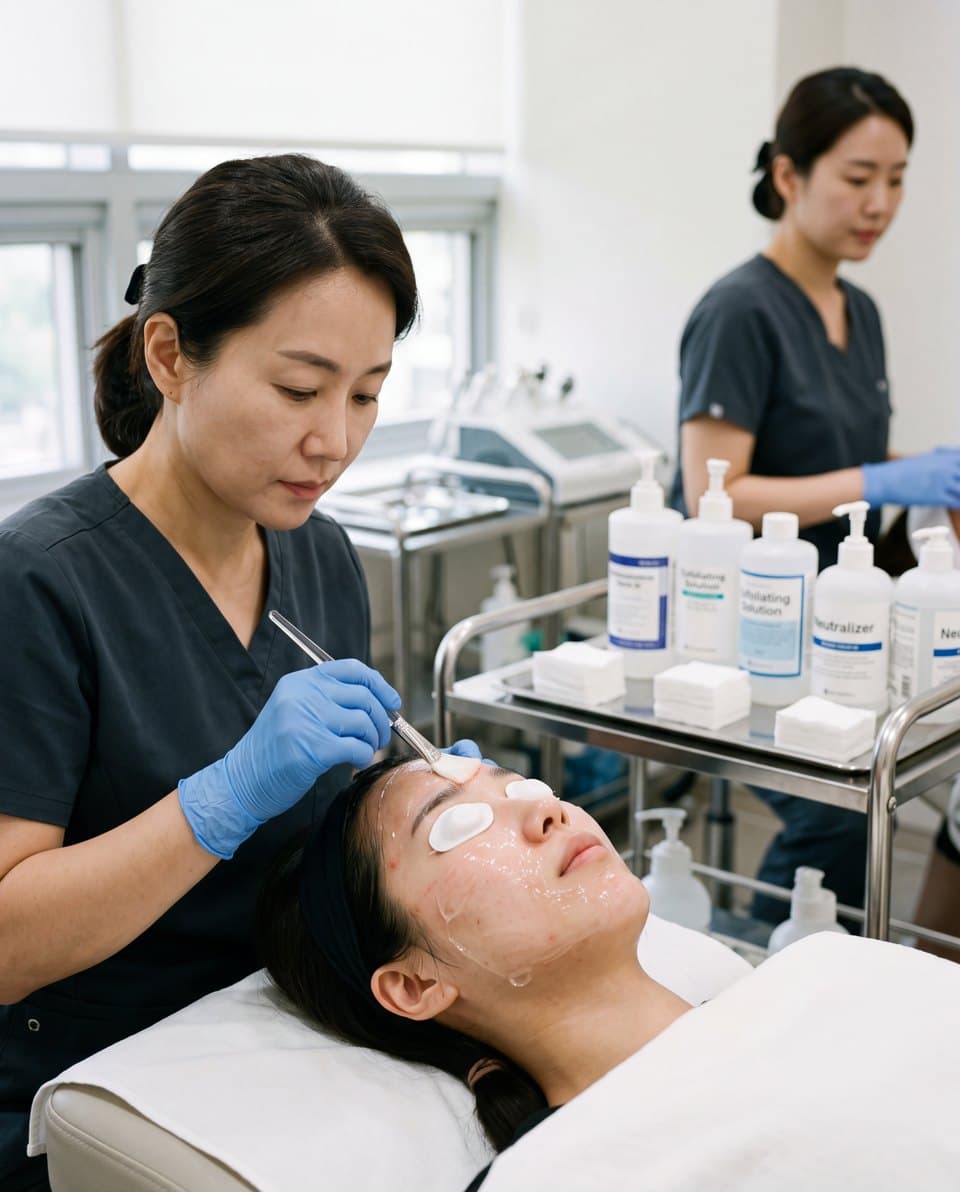
Hyperpigmentation, characterized by patches of darker skin, can be a frustrating skin concern for many individuals. Whether caused by sun exposure, hormonal changes, or skin inflammation, hyperpigmentation can impact one’s confidence and self-esteem.
3 min read
 Model*Aesthetics
Goodbye to Dark Patches and Hello to Brighter Skin
Are you dealing with pesky patches of darker skin? Whether it’s due to too much sun, hormones going wild, or some skin inflammation, hyperpigmentation can seriously mess with your confidence.
3 min read
 Model*Aesthetics
Microneedling Magic!
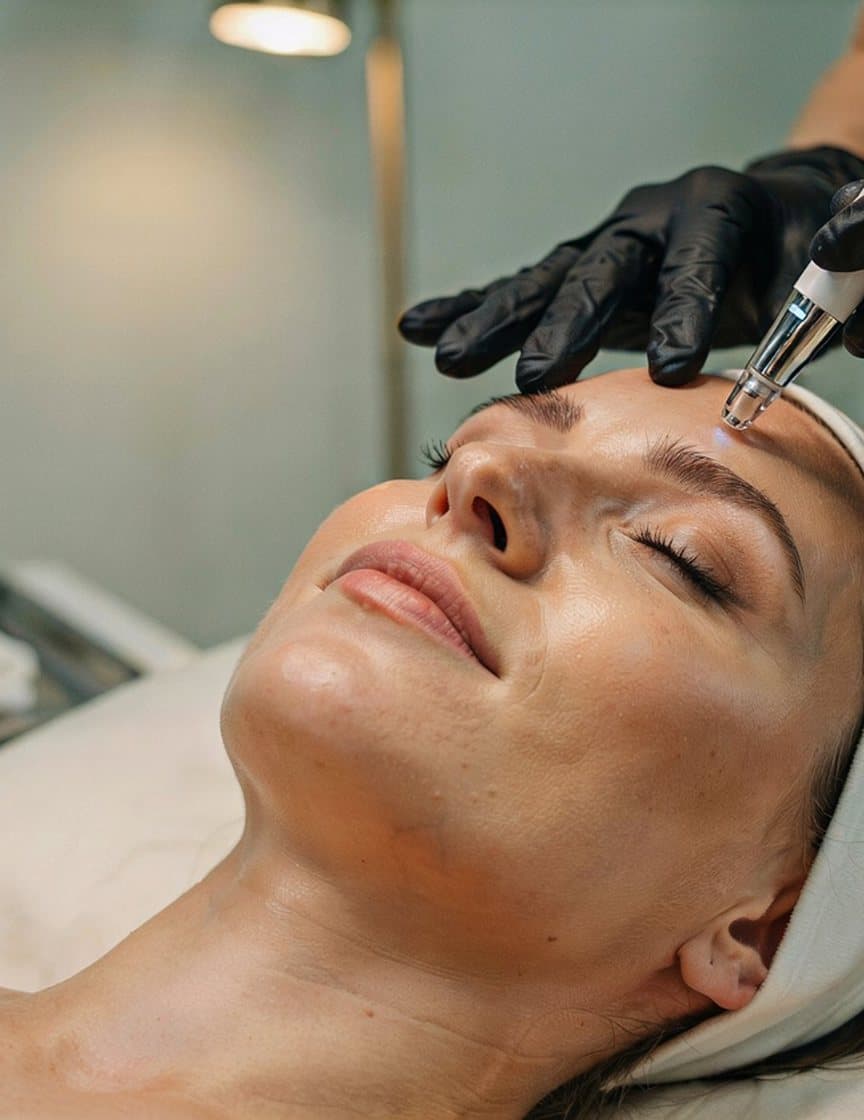
I recently had my first microneedling procedure with Dr. Kiripolsky, and let me tell you – it was a fantastic experience!
3 min read