Mole & Melanoma Removal
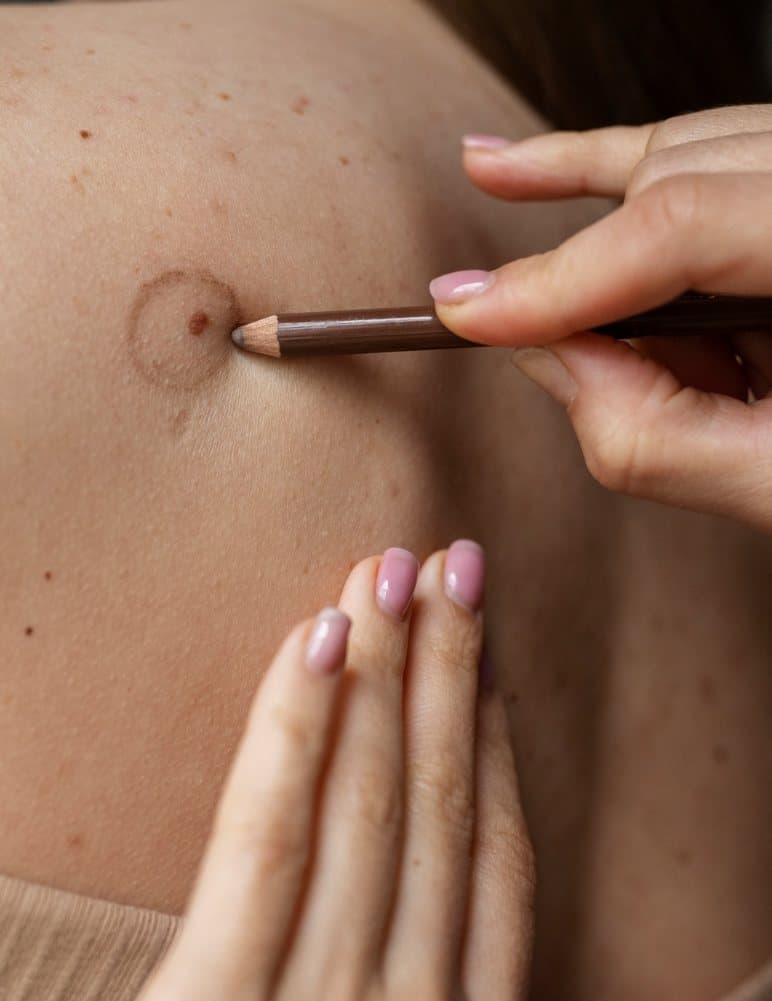 Model*
Why mole checks matter
Monitoring and removal of moles, atypical moles, and melanoma.
Risk factors include a personal history of melanoma, a history of atypical moles, a family history of melanoma, and a history of sunburns. To better understand your skin type and dermatology treatments, visit our dermatology clinic in Beverly Hills. Dr. Kiripolsky can recommend cosmetic dermatology treatments that are fit to your skin type.
- Mole checks
- Atypical moles
- Melanoma
Top Dermatologist & Cosmetic Surgeon in Beverly Hills Conveniently located to serve Newport Beach and Los Angeles, CA
Beverly Hills Mole & Melanoma Removal
Board-certified dermatologist · Beverly Hills & Newport Beach
Dr. Kiripolsky is a board-certified dermatologist and fellowship-trained cosmetic and laser surgeon in Beverly Hills
Moles are common skin growths. They often appear as small, dark brown spots that are made up of clusters of pigmented cells or melanocytes. They develop in the first few years of life and are present on almost every person. Moles can be found anywhere including the lips, scalp, eyes, armpits, underneath the nails, between fingers and toes, genital area, scalp, and mucous membranes.
To learn more about Mole & Melanoma Removal or schedule a personal consultation, call our office at (424) 652-6563 or contact us online for more information.

Before & After Gallery
See the difference
Types of Moles
Benign, congenital and melanoma
Benign moles are referred to as “melanocytic nevi.” These are non-cancerous growths of the skin caused by a proliferation of melanocytes.
A mole present at birth is called a “congenital nevus.” Birth moles should grow proportionately with the body and be monitored regularly. Large birth moles carry a small but known risk of developing melanoma. The tendency to develop great numbers of moles runs in families.
Heavy sun exposure also increases the number of moles one develops. Most people have approximately 10-40 moles. However, it is important to note that having more than 40 moles increases one’s lifetime risk of developing melanoma.
Melanoma is a deadly form of skin cancer. According to the American Cancer Society, over 100,000 new melanomas are diagnosed in the United States each year. Melanomas often appear as multicolored or very dark atypical moles, however, they can also appear without noticeable brown pigment (“amelanotic melanoma”).
Risk factors include a personal history of melanoma, a history of atypical moles, a family history of melanoma, and a history of sunburns. Early detection of melanomas is key for a greater chance of survival.
Dr. Kiripolsky advises her patients to perform monthly self-skin exams as well as to have annual skin examinations by a board-certified dermatologist. Those patients with a history of skin cancer may be advised to have skin exams more frequently.
Monika Kiripolsky is a board-certified Beverly Hills dermatologist and cosmetic surgeon passionate about partnering with you to make your skin as flawless as possible.
Dr. Kiripolsky will listen to your concerns regarding your skin – while considering your overall health and skin type – to recommend the best procedure, treatment, or combination to best suit your goals.
It is best to see Dr. Kiripolsky in person at her Beverly Hills dermatology clinic so that Dr. Kiripolsky can recommend the best treatments for your skin type.
To schedule a skin exam with Dr. Kiripolsky, please call 424-652-6563.

Frequently Asked Questions
Common inquiries and answers
How often should moles be checked?
Dr. Kiripolsky advises her patients to perform monthly self-skin exams as well as to have annual skin examinations by a board-certified dermatologist. Those patients with a history of skin cancer may be advised to have skin exams more frequently. Early detection of melanomas is key for a greater chance of survival.
How many moles is normal?
Most people have approximately 10-40 moles. However, it is important to note that having more than 40 moles increases one’s lifetime risk of developing melanoma. The tendency to develop great numbers of moles runs in families, and heavy sun exposure also increases the number of moles one develops.
What are the risk factors for melanoma?
Risk factors include a personal history of melanoma, a history of atypical moles, a family history of melanoma, and a history of sunburns. Melanomas often appear as multicolored or very dark atypical moles, however, they can also appear without noticeable brown pigment (“amelanotic melanoma”). According to the American Cancer Society, over 100,000 new melanomas are diagnosed in the United States each year.
Ready when You Are
Book your consultation with Dr. Kiripolsky at her Beverly Hills or Newport Beach office. Send a request, or call or text us.