What's the Difference Between Botox and Dysport?
Medically reviewed by Dr. Monika Kiripolsky9 min read
 Model*
Botox vs Dysport comes down to small differences in how quickly they work and how they are dosed, since both are botulinum toxin injections that smooth wrinkles for roughly three to four months. Neither one is simply better. The skill of your injector and your own anatomy usually matter more than the brand name.
Dr. Monika Kiripolsky is a board-certified dermatologist and fellowship-trained cosmetic and laser surgeon who offers a full range of injectables in Beverly Hills. This guide compares the two most requested neuromodulators and explains why the person holding the syringe matters.
What Do Botox and Dysport Have in Common?
Botox and Dysport are both neuromodulators, a class of injectable treatments that temporarily relax muscles and improve the look of the skin above them. Both contain a purified form of botulinum toxin, a protein that doctors have studied for its medical and cosmetic uses since the 1970s. Both are FDA-approved to improve the appearance of wrinkles and unwanted facial lines.
They also work in the same way. Each one blocks the communication between nerve endings and the muscles around them, which weakens the muscle and stops it from contracting as strongly. This matters because many wrinkles are dynamic, meaning they appear only when you make an expression, such as frowning or squinting. Over time, repeated expressions can turn dynamic wrinkles into static ones that stay visible even when your face is at rest. Relaxing the muscle softens the lines now and helps prevent them from deepening.
Botox and Dysport are not the only options. Xeomin and Jeuveau work in a similar way with different formulations, and Dr. Kiripolsky offers both. This guide focuses on the two most requested.
How Fast Does Each Work?
Onset is one of the clearest differences. Dysport results are usually visible within a couple of days. Botox takes a little longer, with results gradually taking hold within a week or less.
For most people the gap is small, and it only matters if you are treating before a specific event. If you have a wedding or photo shoot on the calendar, plan your appointment at least two weeks beforehand with either product, which leaves time for the full effect and a touch-up if needed.
How Long Does Each Last?
Both last about the same length of time. After one session, Botox results typically last 3 to 4 months, and they can last up to 5 months. Dysport results also last between 3 and 4 months. Your own metabolism, the muscles treated, and the dose you receive can all shift those numbers a little.
Both also hold up in head-to-head testing. In a phase 3 trial, more than 94 percent of patients on either product were rated as responders at day 29.
Do Botox and Dysport Use the Same Units?
No, and this is the most common source of confusion. A dose of Botox is measured in Botox units, and a dose of Dysport is measured in Dysport units. According to the manufacturers, the units of one botulinum toxin are not interchangeable with, and cannot be directly converted into, the units of another.
That means you should never compare a quoted number of Dysport units with a number of Botox units and conclude one product is more or less expensive or potent. The right dose for you depends on the product, the muscle, the strength of your muscle, and the result you want, and an experienced injector decides it. Ask your injector how the treatment plan fits your face, not for the lowest number.
Which Areas Can Each Treat?
 Model*
Both are commonly used on the lines that form with expression.
- Frown lines between the eyebrows, often called "11 lines."
- Horizontal forehead lines.
- Crow's feet around the eyes.
Dr. Monika Kiripolsky uses Botox for a wider range of cosmetic and medical purposes as well. These include the "lip flip," which defines the upper lip, treatment of enlarged masseter muscles that cause jaw tension and a squared face, and "trap tox," which targets the trapezius to relieve neck pain and slim the neck. She can also soften neck banding and use strategic placement to lift the lower face by relaxing the platysma muscle that pulls it downward. Botulinum toxin is also used outside cosmetics, for conditions such as chronic migraines, muscle spasms, and excessive sweating.
If you want to see how each product is used at the practice, her pages on Botox and Dysport explain the details.
Are the Side Effects Different?
For most patients, the side effects of the two are similar and mild. They include temporary swelling, pain, or bruising where the needle went in. These effects fade within days, and the risk goes down when a well-trained physician performs the injections.
After Botox, Dr. Kiripolsky asks patients to stay upright and avoid lying down for at least 4 hours and to postpone workouts during that time. This helps keep the medication from migrating to nearby muscles and causing unwanted effects. Ask your injector for specific aftercare instructions for whichever product you receive.
Why Does the Injector Matter More Than the Brand?
Placement and dose decide whether a result looks natural or frozen, and mistakes are visible. When the wrong amount goes into the wrong location, you can end up with a heavy brow, an uneven smile, or an expression that looks off. Dr. Kiripolsky routinely corrects Botox that other providers placed incorrectly.
Understanding the muscles makes the difference. Depressor muscles, which pull downward, tend to lift the skin above them when treated. Elevator muscles need more caution, because they can sag if injected improperly. A forehead treated too heavily can drop the brow. An injector who studies your expressions and facial anatomy before the first injection is working for your result, not just delivering a product.
Dr. Kiripolsky has published and presented research on botulinum toxins, including studies of Dysport. Her work includes a retrospective analysis comparing Dysport with Botox in the treatment of dynamic wrinkles, and an evaluation of treating lateral periocular lines through a single injection point. That research background shapes how she approaches the choice between products. You can see injectable results in the practice's Botox before-and-after gallery.
What Happens During a Neuromodulator Appointment?
Preparation is simple. Dr. Kiripolsky reviews your medical history and asks you to stop medications and supplements with blood-thinning effects beforehand, since they can cause bruising at the injection sites. Arrive with a clean face and no makeup or skincare products.
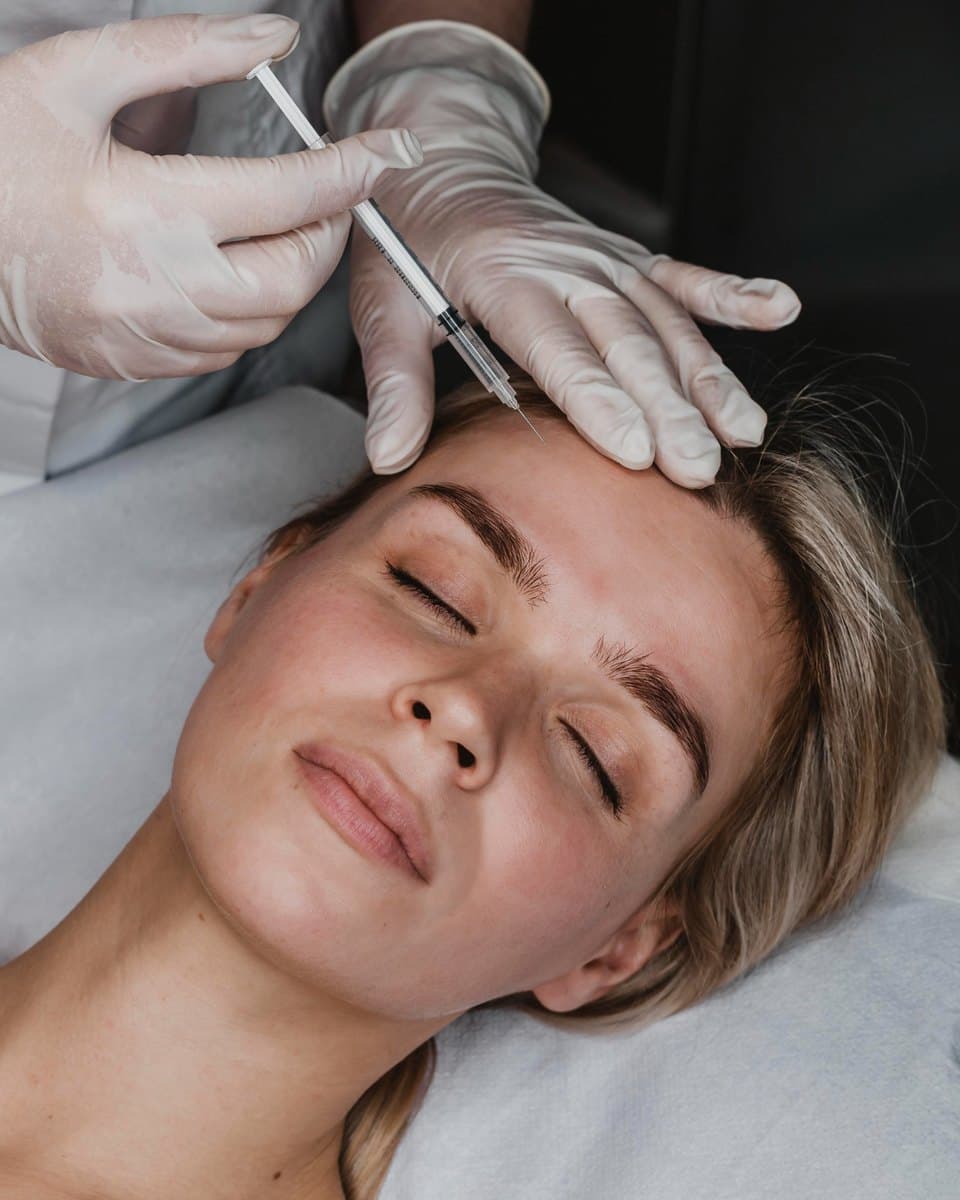
During the visit, your skin is cleansed and you are asked to make a series of expressions, such as frowning, raising your brows, and squinting. These show her where each muscle sits and which wrinkles you want to soften. She marks the injection points and treats them one at a time, using the dose and depth that suit each muscle. The whole procedure takes about 20 minutes, and you can return to normal activities afterward with a few precautions.
How Do You Choose Between Botox and Dysport?
Start with the injector, then the product. Here is a practical way to decide.
- If you have had good results with one product, there is little reason to switch.
- If you are new to neuromodulators, either is a reasonable starting point, and your doctor can recommend one based on your muscle strength and the areas you want treated.
- If results wore off sooner than you hoped, or you did not like how a product looked, tell your injector. Some patients try the other product and prefer it, and switching is safe when a physician guides it.
At your consultation, Dr. Kiripolsky listens to your concerns and goals before recommending a plan. If a different treatment, such as a dermal filler, would serve you better, she will say so. If you are looking for Botox in Beverly Hills or Dysport in Beverly Hills, a consultation lets you discuss both.
Dr. Kiripolsky sees patients in Beverly Hills and Newport Beach, and you can request an appointment to talk through which product suits you.
Frequently Asked Questions
Does Dysport work faster than Botox?
Dysport results are usually visible within a couple of days. Botox results gradually take hold within a week or less. The difference is small, so plan treatment at least two weeks before an event with either product, which leaves time for a touch-up if needed. Dr. Kiripolsky can tell you what to expect based on the areas you are treating.
Which lasts longer, Botox or Dysport?
They last about the same time. Botox typically lasts 3 to 4 months and can last up to 5, and Dysport lasts between 3 and 4 months. Your metabolism, the muscles treated, and your dose all shift these numbers.
Is one more effective than the other?
In the phase 3 trial that compared them for frown lines, Dysport and Botox produced very similar responder rates, above 94 percent for both at day 29. Both are FDA-approved to improve the appearance of wrinkles, and the injector's skill and your anatomy usually matter more than the brand.
Are Botox and Dysport units the same?
No. Botulinum toxin units are specific to each product and cannot be directly converted from one brand to another. Do not compare the number of units quoted for Botox and Dysport to judge price or potency. Dr. Kiripolsky determines the dose from your anatomy, your muscle strength, and your goals.
Can I switch from Botox to Dysport?
Yes, many patients do, and switching is safe when a physician guides it. Tell your injector which product you used, how long it lasted, and what you would like to change, so the dose and placement can be adjusted. Dr. Kiripolsky reviews your history and your expressions before planning treatment, whichever product you choose.
What are the side effects of Botox and Dysport?
The most common side effects are temporary swelling, pain, or bruising at the injection sites, and they typically fade within days. After Botox, Dr. Kiripolsky asks patients to stay upright for at least 4 hours and to postpone workouts, which helps keep the medication from migrating to nearby muscles. Proper technique by a well-trained, certified physician minimizes side effects.
What happens during a neuromodulator appointment?
Dr. Kiripolsky reviews your medical history and asks you to stop blood-thinning medications and supplements beforehand, since they can cause bruising. You arrive with a clean face, make a series of expressions so she can see each muscle, and she marks and treats each injection point. The visit takes about 20 minutes, and you can return to normal activities with a few precautions.

Monika Kiripolsky, MD, FAAD, FAACS
Board-certified dermatologist and fellowship-trained laser and cosmetic surgeon in Beverly Hills and Newport Beach. Every article is written or reviewed by Dr. Kiripolsky.
More from the blog
 Model*Injectables
How Much Does Botox Cost in Newport Beach?
Botox is priced per unit, not per syringe, and the number of units depends on the areas you are treating and the result you want.
3 min read
 Model*Injectables
Beauty Buzz for Brides – Part 2
To further prepare for wedding season, think about soft, sultry lips! I recommend Juvederm or Restylane injections for the most natural-looking result.
3 min read
 Model*Injectables
Match your hands to your face!
It has been said that the eyes are the window to one’s soul, but, the hands are the window to one’s true age... until now!
3 min read