Since May is Skin Cancer Awareness Month, now is the perfect time to talk about Photodynamic Therapy (PDT).
PDT works by applying a topical photosensitizing solution, containing aminolevulinic acid (ALA), to the treated area(s). Once adequate time has allowed the solution to absorb into the skin, it is then activated by specific wavelengths of light. Since ALA is a naturally occuring substance in our body, it can be selectively absorbed into actinic keratosis (AKs), which are precancerous spots that develop from frequent sun damage. These target cells are then destroyed. Since there is no way to tell which AKs will develop into cancer, monitoring and treating them early with PDT is key!
In addition, ALA can be absorbed into damaged skin cells, hair follicles and oil glands, making PDT a great option for treating acne/acne scarring, enlarged pores, rosacea, hyperpigmentation and age spots. It also has great anti-aging benefits like tightening your skin and improving skin tone and texture.
Downtime and post-operative care for PDT is relatively quick and easy. You can expect redness and peeling for 2-7 days. Lesions will appear darker at first, but will naturally peel off. The most important thing to remember, and I can’t stress this enough, is to avoid ALL sunlight for 36 hours following your procedure! If you go out, you risk burning your skin and getting a severe sunburn.
Come visit my office in Beverly Hills to see if this is the right procedure for YOU!
Frequently Asked Questions
How does PDT work?
A topical photosensitizing solution containing aminolevulinic acid (ALA) is applied to the treated area and, once it has absorbed, activated by specific wavelengths of light. Because ALA occurs naturally in the body, it can be selectively absorbed into actinic keratoses — precancerous spots that develop from frequent sun damage — and those target cells are then destroyed.
What else can PDT treat?
ALA can also be absorbed into damaged skin cells, hair follicles and oil glands, which makes PDT a good option for acne and acne scarring, enlarged pores, rosacea, hyperpigmentation and age spots. It also has anti-aging benefits such as tightening the skin and improving skin tone and texture.
What is the downtime, and why avoid sunlight afterwards?
Expect redness and peeling for 2–7 days; lesions appear darker at first, but will naturally peel off. Avoid all sunlight for 36 hours following the procedure — going out risks burning the skin and a severe sunburn.
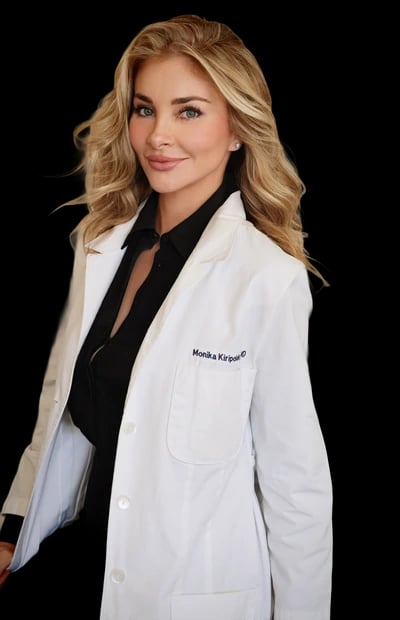
Monika Kiripolsky, MD, FAAD, FAACS
Board-certified dermatologist and fellowship-trained laser and cosmetic surgeon in Beverly Hills and Newport Beach. Every article is written or reviewed by Dr. Kiripolsky.
More from the blog
 Model*Lasers & Light
What's the Difference Between CO2 and Fractional Laser Resurfacing?
In the fractional laser resurfacing vs CO2 comparison, the difference is depth. CO2 lasers are ablative, meaning they vaporize damaged skin for stronger results with more downtime.
9 min read
 Model*Lasers & Light
Beauty Buzz for Brides – Part 1
With wedding season approaching, here are some ways that you can prepare... whether you are the bride-to-be, a bridesmaid, mother-of-the-bride, or simply a fabulous guest, the following suggestions can help you to look your best.
4 min read
 Model*Lasers & Light
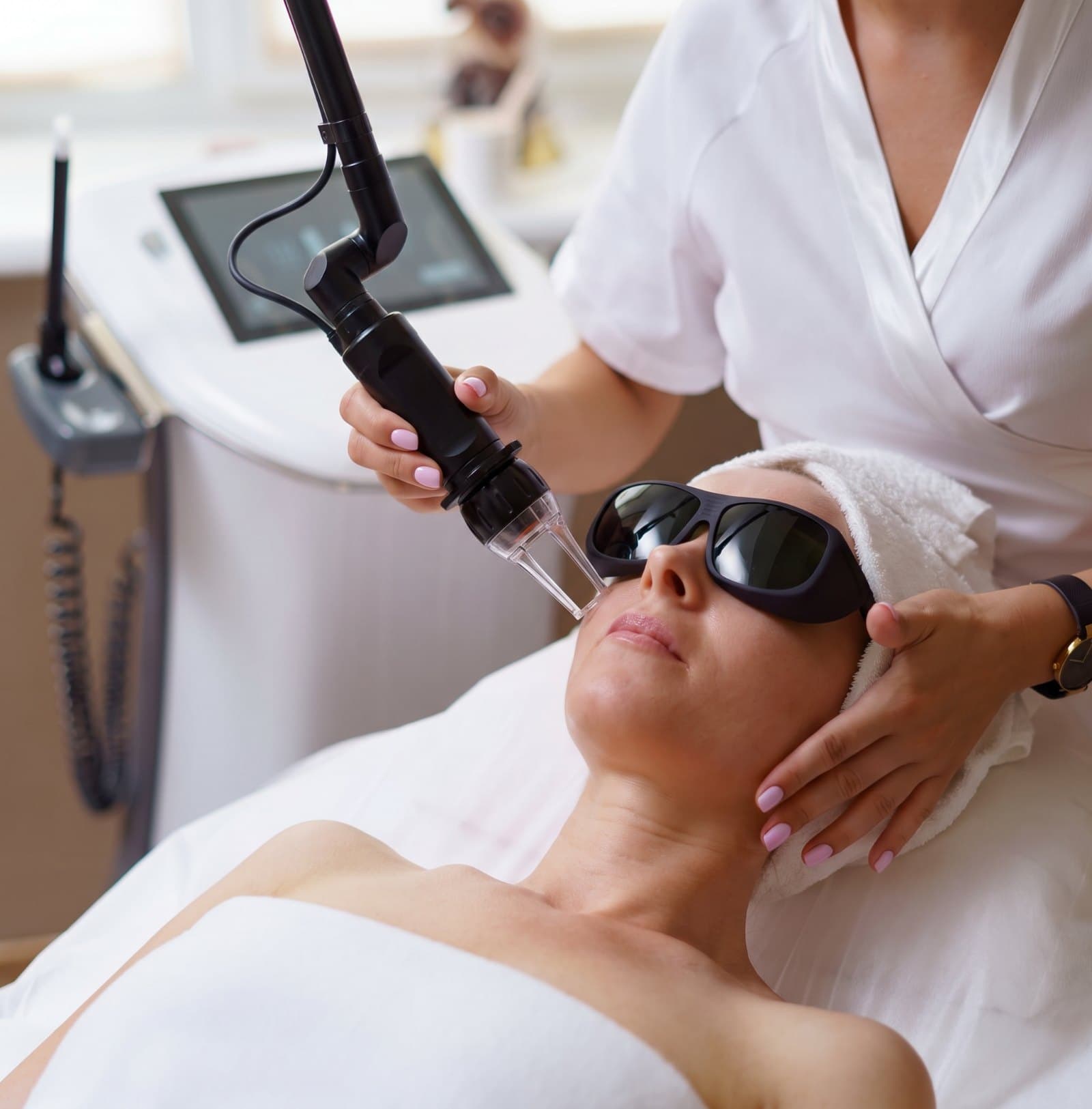
CO2 Laser Resurfacing
Have you ever wondered what A-list actors do to maintain flawless skin on huge movie screens?
3 min read